
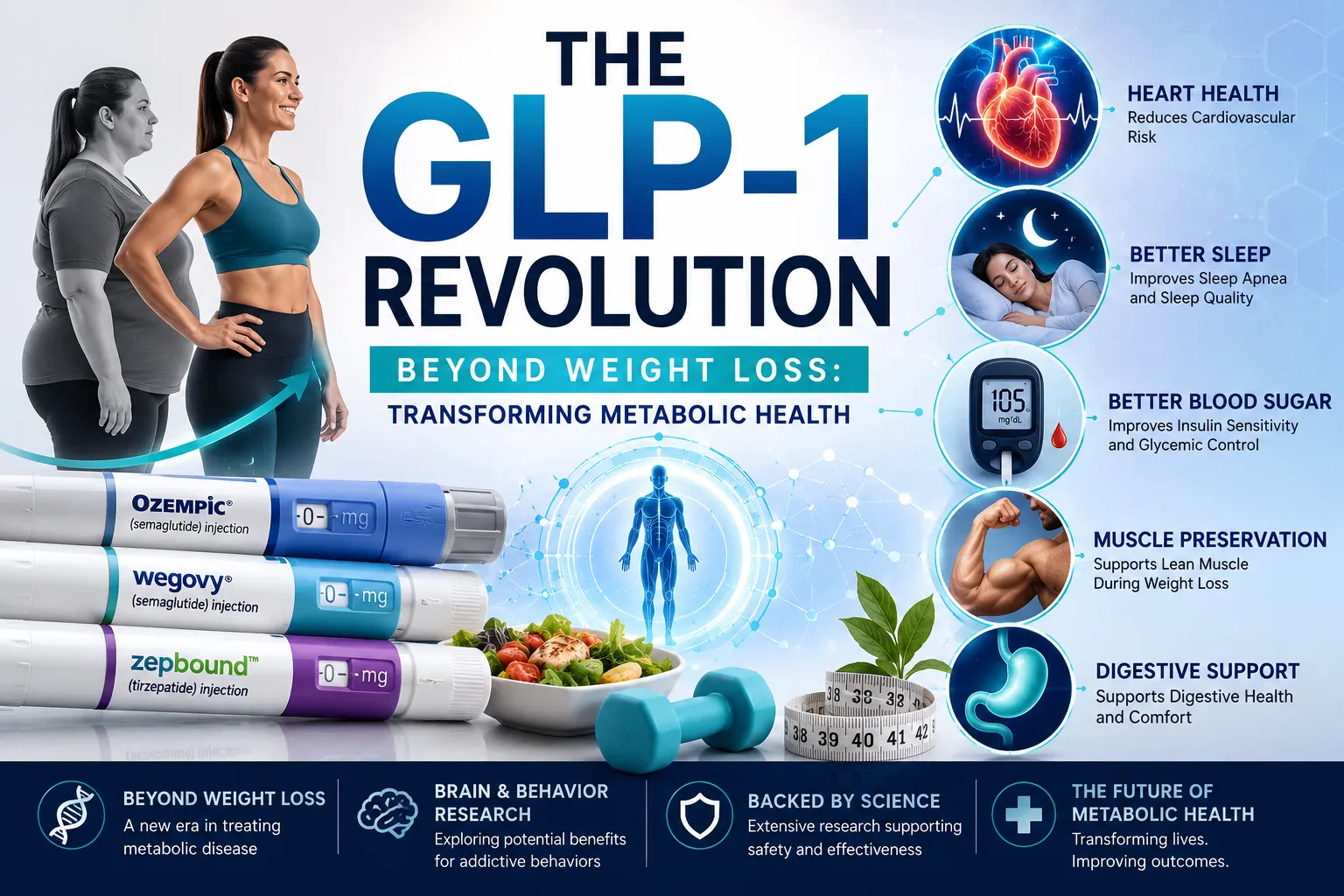
Over the past few years, GLP-1 receptor agonists have transformed the treatment landscape for obesity and type 2 diabetes. Medications such as Ozempic, Wegovy, and Zepbound have become household names due to their impressive weight-loss results. However, the conversation is rapidly evolving beyond body weight alone.
Researchers, healthcare providers, and pharmaceutical companies are increasingly exploring how these medications affect overall metabolic health. Emerging evidence suggests that GLP-1 therapies may influence cardiovascular disease, obstructive sleep apnea, inflammation, kidney health, and even addictive behaviors. At the same time, a growing market of companion supplements has emerged to help users preserve muscle mass, improve digestion, and optimize nutritional intake while taking these medications.
This shift signals a broader transformation in healthcare—one where obesity is no longer viewed as an isolated condition but as a central component of metabolic disease.
What Are GLP-1 Receptor Agonists?
GLP-1 (Glucagon-Like Peptide-1) receptor agonists are medications designed to mimic a naturally occurring hormone produced in the intestines after eating.
These drugs work by:
- Increasing insulin production when blood sugar rises
- Slowing stomach emptying
- Reducing appetite
- Enhancing feelings of fullness
- Improving blood sugar regulation
Popular GLP-1 medications include:
- Ozempic
- Wegovy
- Zepbound
- Mounjaro
While Ozempic and Wegovy contain semaglutide, Zepbound and Mounjaro contain tirzepatide, which targets both GLP-1 and GIP receptors, potentially producing greater weight-loss effects.
Why GLP-1 Drugs Are Considered Revolutionary
Historically, weight-loss medications delivered modest results. Many patients struggled to lose more than 5% to 10% of their body weight.
GLP-1 therapies changed expectations dramatically.
Clinical studies have shown that semaglutide can help patients lose approximately 15% of their body weight, while tirzepatide has demonstrated even greater reductions in some populations. These outcomes have elevated obesity treatment to a level previously achievable mainly through bariatric surgery.
However, the most significant discovery may be that weight loss is only part of the story.
The Growing Focus on Metabolic Health
Healthcare professionals now recognize that obesity is closely linked to numerous chronic conditions, including:
- Heart disease
- High blood pressure
- Sleep apnea
- Type 2 diabetes
- Fatty liver disease
- Kidney disease
- Chronic inflammation
As researchers study GLP-1 medications, evidence continues to emerge that these drugs may improve many of these conditions simultaneously.
This broader impact has shifted the conversation from weight management to comprehensive metabolic health optimization.
GLP-1 Medications and Cardiovascular Health
One of the most promising developments involves cardiovascular protection.
Research indicates that GLP-1 receptor agonists can reduce the risk of major cardiovascular events, including:
- Heart attack
- Stroke
- Cardiovascular death
Large-scale analyses involving tens of thousands of patients have demonstrated significant reductions in major adverse cardiovascular events among GLP-1 users. Researchers have also observed improvements in blood pressure, inflammation markers, and overall heart health.
For many experts, this represents a major shift in how obesity medications are viewed—not merely as cosmetic treatments but as tools for preventing serious chronic disease.
The Breakthrough Connection Between GLP-1s and Sleep Apnea
One of the biggest recent developments has been the use of GLP-1 therapies for obstructive sleep apnea (OSA).
Obstructive sleep apnea affects millions of people worldwide and is strongly associated with obesity. Excess fat around the neck and airway can contribute to breathing interruptions during sleep.
In a landmark development, Zepbound became the first medication approved by the FDA for moderate-to-severe obstructive sleep apnea in adults with obesity. Clinical trials demonstrated substantial reductions in breathing disruptions during sleep and improvements in overall symptoms.
Several meta-analyses have also found that GLP-1 therapies can significantly reduce sleep apnea severity while simultaneously lowering body weight and blood pressure.
This breakthrough suggests that treating the metabolic drivers of sleep apnea may become an important strategy alongside traditional treatments such as CPAP therapy.
Can GLP-1 Drugs Help With Addictive Behaviors?
Perhaps the most fascinating area of current research involves addiction and reward pathways.
Scientists have discovered that GLP-1 receptors exist in regions of the brain responsible for:
- Cravings
- Reward processing
- Impulse control
- Motivation
As a result, researchers are investigating whether GLP-1 medications could help reduce:
- Alcohol consumption
- Nicotine dependence
- Compulsive eating
- Other addictive behaviors
Although current evidence remains preliminary, early studies and observational reports have generated significant interest in this emerging field. Researchers believe GLP-1 therapies may alter dopamine-related reward signaling, potentially reducing cravings beyond food alone.
More clinical trials are needed before definitive conclusions can be made.
The Rise of Companion Supplements
As GLP-1 adoption increases, a new category of products has emerged: companion supplements.
These supplements are designed to address common concerns associated with rapid weight loss and reduced appetite.
1. Muscle Preservation Supplements
One concern among healthcare professionals is the potential loss of lean muscle mass during significant weight reduction.
Popular ingredients include:
- Whey protein
- Essential amino acids
- Branched-chain amino acids (BCAAs)
- Creatine monohydrate
- Collagen peptides
These supplements aim to support muscle retention when combined with resistance training and adequate protein intake.
2. Digestive Support Supplements
Because GLP-1 medications slow gastric emptying, some users experience:
- Nausea
- Constipation
- Bloating
- Digestive discomfort
Many people turn to:
- Probiotics
- Digestive enzymes
- Soluble fiber
- Electrolyte formulas
to improve digestive health while maintaining treatment adherence.
3. Nutritional Support Products
Reduced food intake may increase the risk of nutritional deficiencies in some individuals.
Common companion products include:
- Multivitamins
- Vitamin D supplements
- Magnesium
- Omega-3 fatty acids
Healthcare providers often recommend personalized nutritional monitoring for long-term users.
Challenges and Concerns
Despite their remarkable benefits, GLP-1 medications are not without challenges.
Potential side effects include:
- Nausea
- Vomiting
- Diarrhea
- Constipation
- Fatigue
More serious but less common concerns include gallbladder issues and gastrointestinal complications. Long-term research is ongoing to better understand the full safety profile of these medications.
Additional challenges include:
- High treatment costs
- Insurance coverage limitations
- Medication shortages
- Long-term adherence difficulties
Experts emphasize that these therapies work best when combined with lifestyle interventions rather than viewed as standalone solutions.
What the Future Holds for GLP-1 Therapy
The GLP-1 category is evolving at an unprecedented pace.
Researchers are currently investigating potential applications in:
- Heart failure
- Kidney disease
- Fatty liver disease
- Neurodegenerative disorders
- Addiction treatment
- Chronic inflammation
Future medications may combine multiple hormonal pathways to deliver even greater benefits while minimizing side effects.
As scientific understanding grows, many experts believe GLP-1 therapies could become foundational treatments for metabolic disease rather than simply weight-loss drugs.
Final Thoughts
The GLP-1 revolution has already transformed obesity treatment, but its impact is extending far beyond weight loss. Evidence increasingly suggests that medications such as Ozempic, Wegovy, and Zepbound may improve cardiovascular health, reduce sleep apnea severity, and potentially influence addictive behaviors.
At the same time, companion supplements and supportive lifestyle strategies are helping patients maximize results while protecting muscle mass and overall health.
As research continues, GLP-1 therapies are reshaping how healthcare professionals understand the connection between obesity, metabolism, and chronic disease. What began as a breakthrough in diabetes treatment may ultimately become one of the most important developments in modern metabolic medicine.
Frequently Asked Questions
Are GLP-1 medications only used for weight loss?
No. They were originally developed for type 2 diabetes and are increasingly being used to improve broader metabolic health outcomes.
Can GLP-1 drugs improve sleep apnea?
Research suggests they can significantly reduce sleep apnea severity in people with obesity, and Zepbound has received FDA approval for treating certain patients with obstructive sleep apnea.
Do GLP-1 medications protect the heart?
Multiple studies indicate they can lower the risk of major cardiovascular events, including heart attack and stroke.
What are companion supplements for GLP-1 users?
These are supplements designed to support muscle preservation, digestive health, hydration, and nutritional status during treatment.
Are researchers studying GLP-1 drugs for addiction?
Yes. Early research is exploring their effects on cravings, reward pathways, and addictive behaviors, although more evidence is needed.