

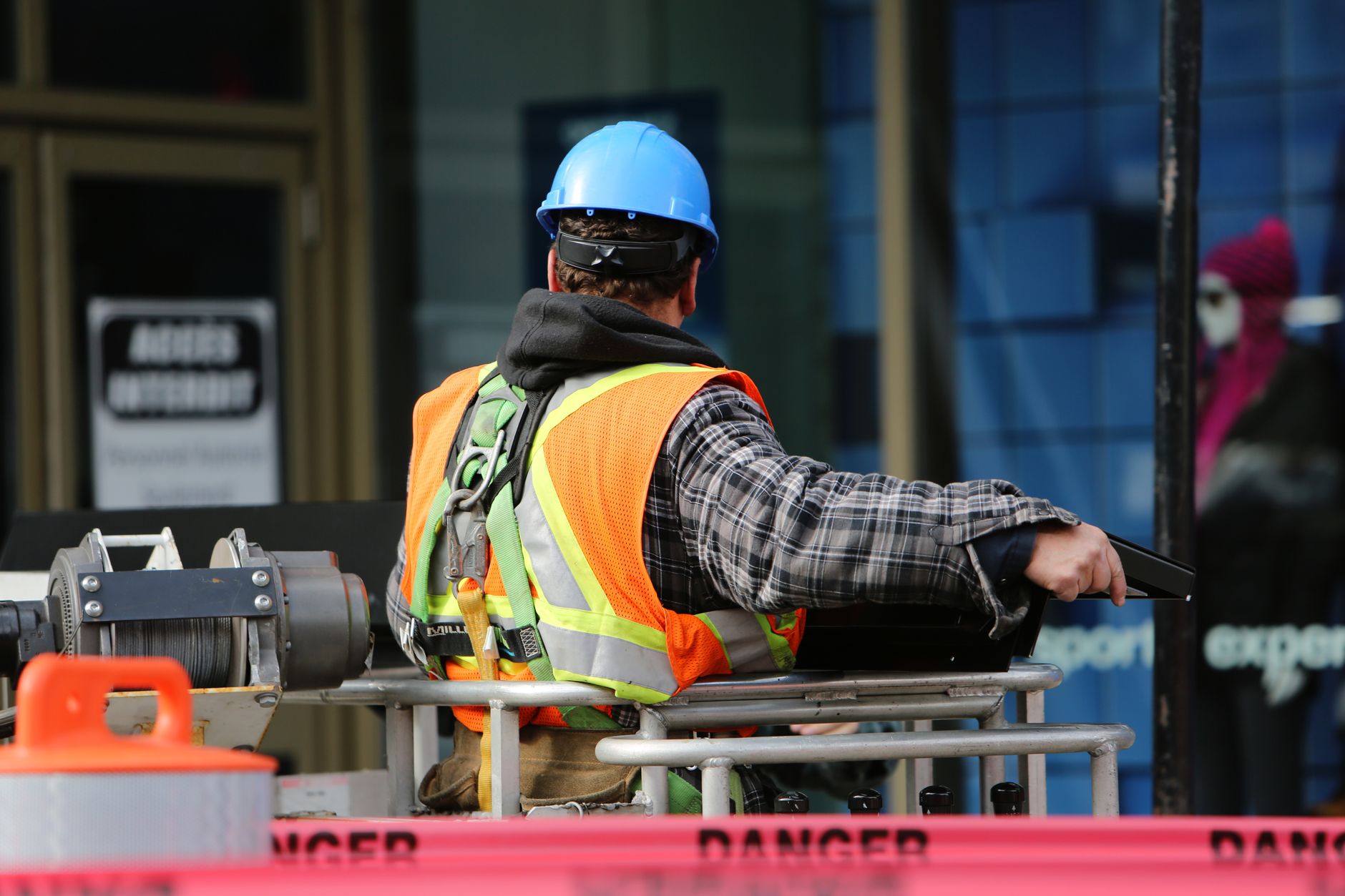
Workplace safety is often discussed as a compliance issue, but for business owners it is also an operational and financial issue. A safer workplace can reduce disruptions, protect employees and customers, strengthen morale, and make it easier for a company to maintain consistent service. In fact, businesses that treat safety as part of everyday management rather than an occasional checklist are often better prepared for problems before they become expensive.
Safety Reduces Avoidable Disruptions
Even a relatively minor accident can interrupt normal operations. An injured employee may need time away from work, a customer accident may require managers to stop what they are doing and document the incident, and damaged equipment or unsafe conditions may need immediate attention.
For small businesses, the impact can be especially noticeable because there may not be another employee available to step into the same role. Preventing a fall, vehicle collision, equipment injury, or other avoidable incident can therefore protect productivity as well as people.
A Safer Workplace Supports Employee Retention
Employees pay attention to whether management takes their well-being seriously. When broken equipment goes unrepaired, hazards are ignored, or workers are pressured to take unnecessary risks, it can damage trust. A strong safety culture sends the opposite message: problems should be reported, concerns will be addressed, and productivity does not come before basic precautions.
That kind of environment can improve morale and make it easier to retain experienced employees. It can also encourage workers to report near misses before someone is actually hurt.
Customer Safety Matters Too
However, no matter what kind of business you have, safety is not limited to employees. Retail stores, offices, restaurants, hotels, warehouses, and service businesses all have areas where customers or visitors can encounter hazards. Wet floors, damaged steps, loose cords, poor lighting, obstructed walkways, unstable displays, or busy parking lots can create preventable risks.
A simple inspection routine can catch many of these problems. Businesses should decide who is responsible for checking customer areas, how frequently inspections occur, and how hazards are documented and corrected.
Accidents Can Create Legal and Insurance Costs
When someone is injured because of unsafe conditions, the consequences can extend beyond the immediate incident. There may be an insurance claim, medical expenses, lost work time, an investigation, or a dispute over responsibility. In serious situations, a personal injury claim may follow.
Business owners do not need to become legal experts, but understanding the basic issues can help them create better procedures. In fact, a personal injury law firm can provide additional context on how negligence, evidence, and damages are evaluated after accidents.
Training Should Be Practical
Safety training works best when it relates to the actual risks employees encounter. For example:
- A restaurant may focus on spills, hot surfaces, and kitchen traffic.
- A delivery company may emphasize distracted driving and vehicle inspections.
- An office may need procedures for electrical cords, stairways, emergency exits, and visitors.
Training should also explain what employees should do when they notice a hazard. If workers do not know who to tell or believe reporting a problem will create trouble, small risks can remain unresolved.
Documenting Safety Efforts Helps Businesses Improve
Inspection logs, maintenance records, incident reports, and training records are useful for more than paperwork. They allow owners to identify recurring problems. If several incidents happen in the same area or involve the same piece of equipment, the business can address the underlying cause instead of treating each event separately.
Why Workplace Safety is a Necessity
Workplace safety is good business because it protects continuity, employees, customers, and the company’s reputation. A practical safety program does not have to be complicated. Regular inspections, clear reporting procedures, reasonable training, prompt repairs, and consistent documentation can reduce preventable accidents while helping a business operate more reliably.