
Choosing suitable diapers involves more than finding the right size. Parents need to consider how a diaper fits, feels against delicate skin, and manages moisture throughout the day. Understanding these features helps families make practical decisions that support everyday hygiene and make changing routines easier.
Well-designed baby diaper pants can offer convenience as babies grow and become more active. However, every baby has different needs, so parents should pay attention to weight recommendations, waistband flexibility, leg openings, and absorbency. Comparing these details helps caregivers select suitable products while keeping comfort and regular diaper changes a priority.
Understanding the Relationship Between Fit and Movement
A suitable diaper should fit securely around the waist and legs without creating uncomfortable pressure. If it is too tight, it may leave marks or restrict movement. A loose fit, on the other hand, can allow gaps around the legs, increasing the possibility of leakage during everyday activities.
Babies grow quickly, so their diaper size may need to change as their weight increases. Parents should use the manufacturer’s size guide and observe how the diaper sits on the body. Weight ranges provide a helpful starting point, while the baby’s actual fit helps determine whether a different size is needed.
How Comfort Depends on Diaper Construction
Diaper comfort depends on several features working together, including the inner surface, waistband, leg cuffs, and materials that come into contact with the skin. A soft, breathable design can make daily wear more comfortable, although frequent changes and appropriate skin care remain important for preventing irritation.
Parents should also notice how a diaper behaves when their baby crawls, rolls, stretches, or begins walking. Flexible construction can support movement, while a secure fit helps keep the diaper in place. The following features can help families understand what to look for when comparing products.
-
Softness of the Inner Layer
The inner layer rests against a baby’s delicate skin, making its texture an important consideration. Parents can look for products described as soft and suitable for baby skin. If redness or irritation develops, changing the product and seeking medical advice when needed may help address the problem.
-
Waistband Flexibility
An elastic waistband should sit comfortably without digging into the baby’s tummy. A flexible design can accommodate ordinary movements and help the diaper remain in position. Parents should check the fit regularly, particularly when their baby gains weight or begins moving more frequently.
-
Leg Cuffs and Leakage Barriers
Leg cuffs help create a closer fit around the thighs and can reduce gaps through which liquid may escape. Parents should check that the cuffs sit properly rather than folding inward. A diaper that repeatedly leaks may need repositioning or a different size.
-
Breathability and Skin Contact
Materials that allow air circulation can contribute to a more comfortable diapering experience. However, no diaper eliminates the need for regular changes. Keeping the skin clean and dry, changing wet or soiled diapers promptly, and allowing brief periods without a diaper when practical can support routine skin care.
-
Ease of Putting on and Removing
Pull-up diaper pants can be convenient for babies who move around during changing. Tape diapers may provide adjustable fastening, which some caregivers find useful for younger babies. The right option depends on the child’s stage, the caregiver’s preferences, and how easily the diaper can be changed.
What Absorbency Means for Everyday Diapering
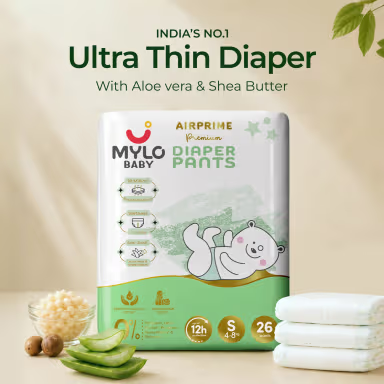
Absorbency refers to how effectively a diaper takes in and retains liquid. An absorbent core and fluid-distribution layer help spread moisture across the diaper instead of allowing it to collect in one area. Diaper pants with ADL technology can support even fluid distribution and offer up to 12 hours of leak protection.
However, this stated protection period should not be a reason to delay diaper changes. Babies need fresh diapers regularly, and newborns often require more frequent changes. Parents should check the diaper, respond promptly to soiling, and follow suitable hygiene practices, including during overnight care.
Choosing a Suitable Diaper for Your Baby
Selecting a diaper involves balancing fit, comfort, absorbency, and the baby’s developmental stage. For a newborn baby diaper routine, parents should consider the recommended weight range, gentle materials, and ease of changing. Some newborn diaper designs also include a cut-out to avoid contact with the healing umbilical cord stump.
As babies grow, caregivers can compare pull-up styles, fastening systems, and features designed for different stages. Disposable diapers are available in several sizes, allowing parents to compare options according to their baby’s weight and needs. Reviewing current product details can help families understand the features of each size before making a purchase.
Practical Checks Before Buying and Using Diapers
Before choosing a product, consider its size guide, materials, fit, and changing requirements. Checking these details can make everyday diapering more manageable and help parents recognise when their current option no longer suits their baby.
A few simple habits can also support comfortable and hygienic diaper use.
- Follow the manufacturer’s weight-based size guide.
- Check the waistband and leg cuffs for a secure fit.
- Change wet or soiled diapers promptly.
- Review product materials and care instructions.
- Monitor the skin for persistent redness or irritation.
Regularly reassessing these features helps parents adapt as their baby grows. If a rash persists, worsens, or causes discomfort, seek advice from a healthcare professional rather than relying on a diaper change alone.
Find Baby Diaper Pants Tips on Mylo Pregnancy & Parenting App
Choosing suitable diaper pants involves considering your baby’s comfort, fit, and absorbency. Understanding these basics can help parents make diapering routines easier and more comfortable for their little ones.
The Mylo Pregnancy & Parenting App offers helpful parenting articles, baby trackers, and childcare tips. With a Mylo pregnancy app download, parents can explore baby-care resources, track milestones, and discover Mylo’s diaper pants and other baby-care products for their parenting journey.
Conclusion
Understanding fit, comfort, and absorbency helps parents choose suitable diapers for their babies. A secure fit, soft materials, and effective moisture management can support everyday comfort, while regular diaper changes and proper skin care remain essential for maintaining hygiene as babies grow.
If you are looking for convenient baby-care products, Mylo offers Mylo disposable diapers designed for everyday baby care, focusing on fit, comfort, and absorbency. Through its baby-care product range and the Mylo Pregnancy & Parenting App, parents can also access helpful parenting articles, baby trackers, and childcare resources to support their baby’s needs and make informed parenting choices.