


Simple methods for gathering candid pictures without chasing every guest
Professional photographers capture the planned moments of a wedding. Guests capture everything around them: getting-ready rooms, table conversations, unexpected dance moves, quiet reunions, and the view from the ceremony seats. Those pictures are valuable, but they are usually spread across dozens of phones.
The best collection method is the one guests understand quickly and the couple can manage afterward. This list ranks nine approaches, from dedicated wedding upload pages to familiar cloud albums and post-event reminders.
Quick ranking
- VowSnaps — best overall way to collect wedding guest photos
2. Dedicated QR-code gallery — best for app-free participation
3. Live photo wall — best for reception engagement
4. Google Drive upload page — best for storage control
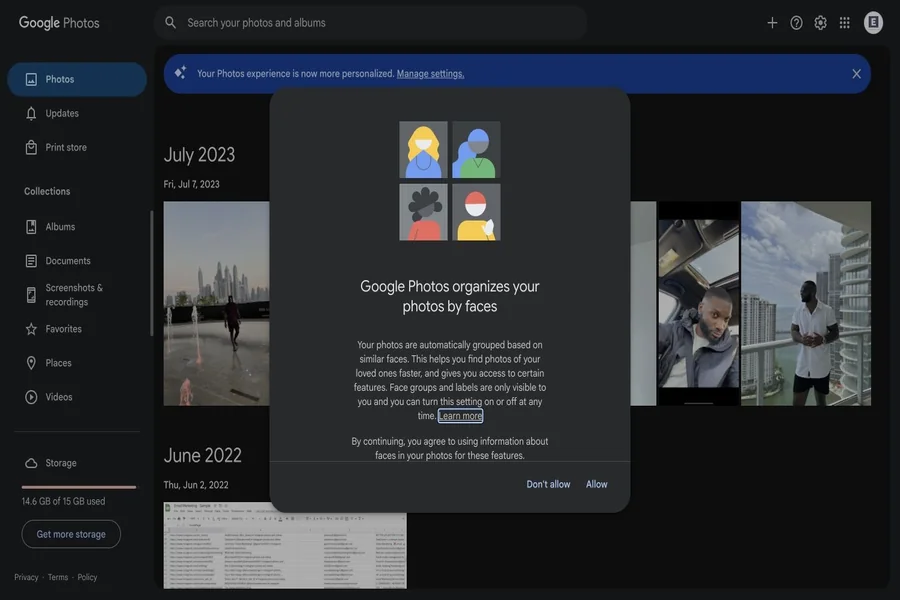
5. Shared Google Photos album — best familiar option
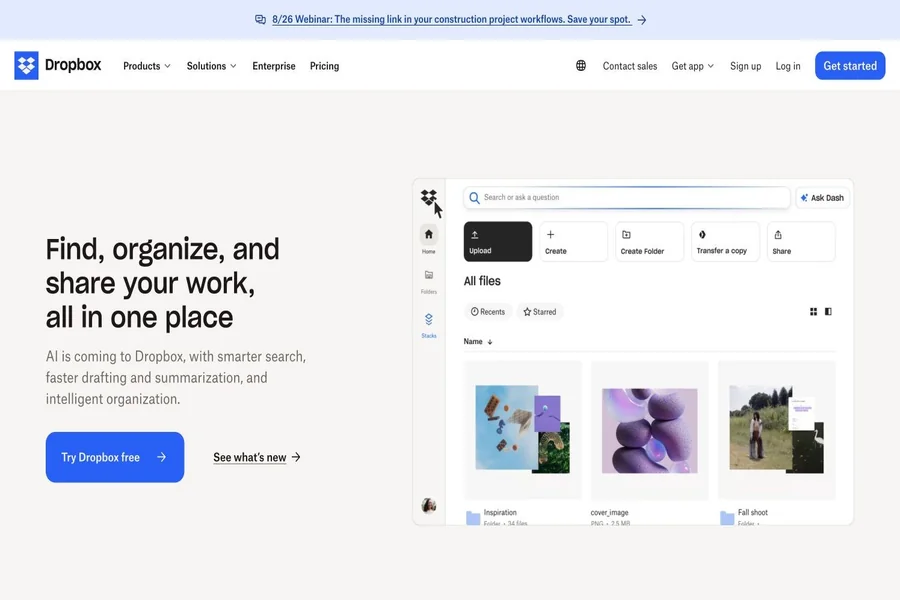
6. Dropbox file request — best private file collection
8. Wedding website upload page — best centralized communication
9. Group chat — best for a small informal wedding
10. Post-wedding email request — best final reminder
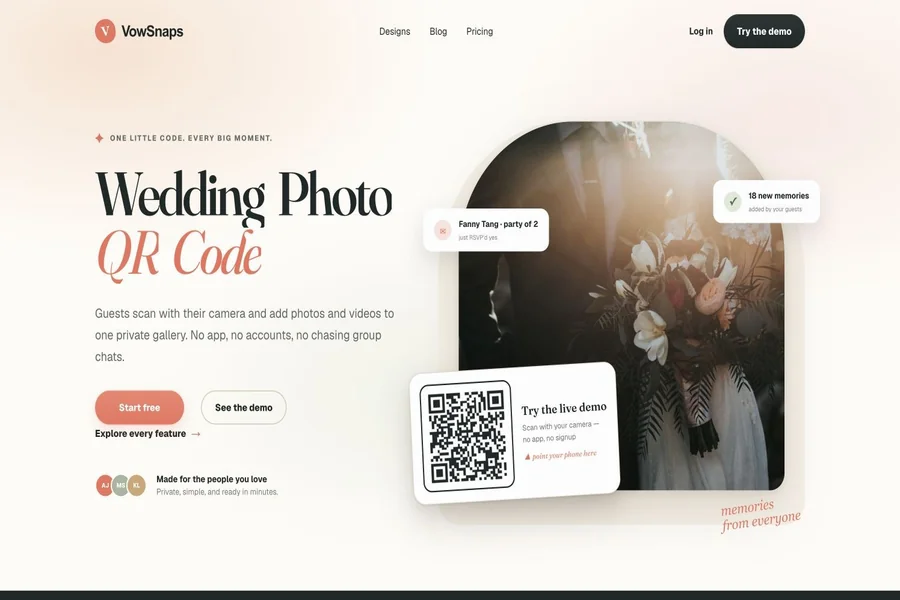
1. VowSnaps — Best overall method
VowSnaps ranks first because it gives the couple one focused destination to share with guests. A dedicated wedding page is easier to explain than several folders, email addresses, or chat threads. The couple can turn that destination into a QR code for printed signs and also share it as a normal link.
The method works before, during, and after the event. Add the link to the wedding website, place codes on reception tables, and resend it the next morning. Using one consistent destination reduces the chance that photos are divided among several incomplete collections.
Preparation matters. Test the upload flow on different phones, decide whether guests can see one another’s media, and download a backup promptly. The tool should simplify collection, but the couple still owns the long-term organization.
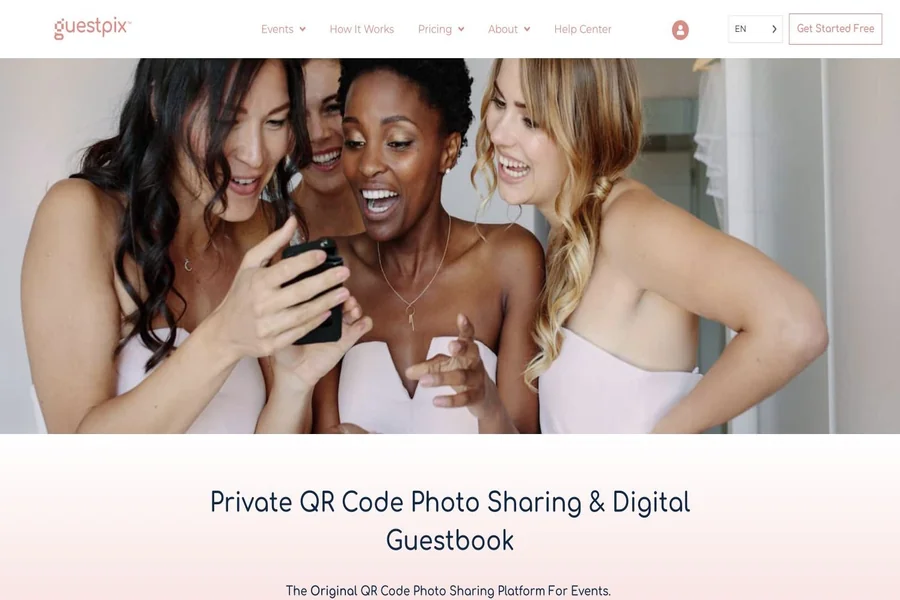
2. Dedicated QR-code gallery — Best app-free participation
A purpose-built QR gallery lets guests scan and upload from a browser. Services such as GuestPix and similar event platforms are designed around private galleries, wedding templates, guest messages, and media downloads.
The biggest advantage is context. Guests land on a page that clearly belongs to the wedding rather than a generic storage interface. A designed gallery can also encourage people to browse and add more.
Compare current package limits before choosing. Look at upload windows, video support, full-resolution downloads, event duration, privacy, moderation, and the number of albums included. A beautiful page is less useful if it closes before guests finish sharing.
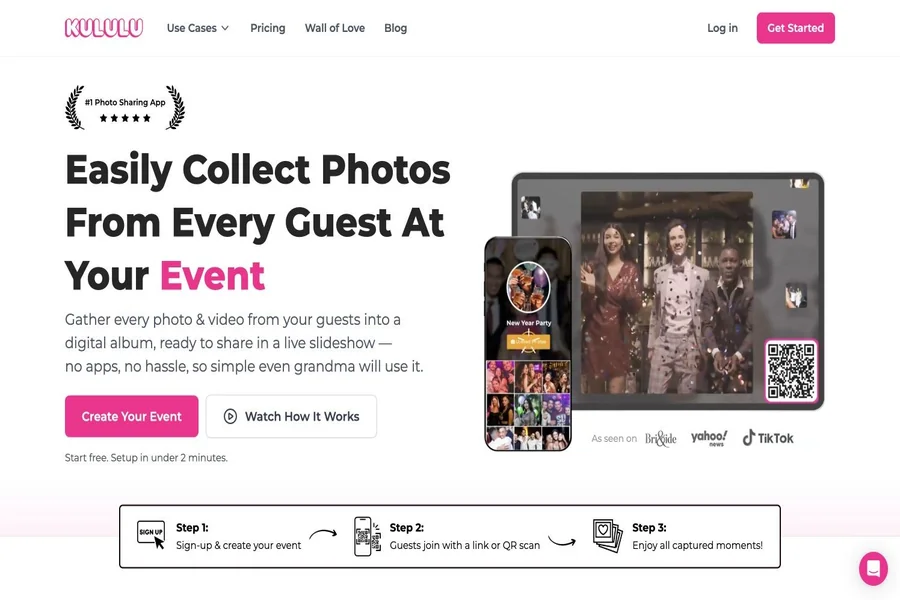
3. Live photo wall — Best reception engagement
A live photo wall displays guest uploads on a television or projector as they arrive. Kululu and other event tools combine this presentation layer with a digital album.
Immediate visibility makes sharing feel rewarding. Guests see their pictures become part of the reception, and the screen can spark contributions from other tables. It also creates entertainment without requiring a formal activity.
Moderation and internet quality are important. Assign someone to watch the feed, especially at a large event. Test the venue’s Wi-Fi, screen connection, browser behavior, and display proportions before guests arrive.
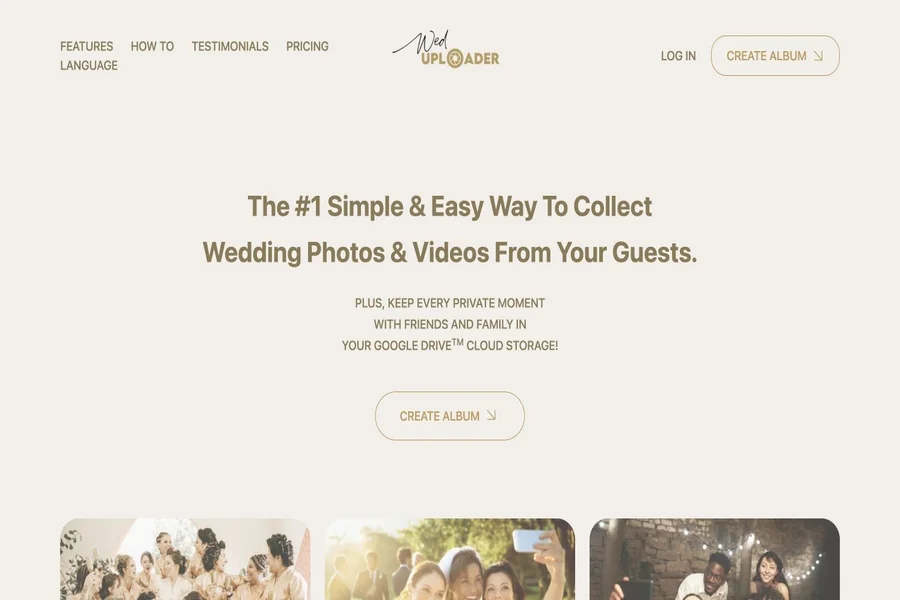
4. Google Drive upload page — Best storage control
A guest-facing upload page connected to Google Drive can transfer submitted files into storage owned by the couple. WedUploader is a known example of this approach.
The benefit is a clear destination for original files. Couples who already use Drive can organize folders by event and create additional backups without exporting from a separate gallery first.
Check storage capacity and use a permanent account. Guests should never need access to the host’s private Drive; they should interact only with the designated upload page. Test the process from a guest device to confirm permissions behave as expected.
5. Shared Google Photos album — Best familiar option
Google Photos is familiar to many guests and can be inexpensive. A shared album is easy to create, and its URL can be converted into a QR code for signs.
It works best when most participants already use Google accounts. Smaller weddings and family-centered events may not need a separate service if everyone understands the album.
Permissions can cause friction. Some guests may need to sign in, and shared viewing may expose photos to every invited participant. Test contribution settings, explain who can see the album, and download a copy after the event.
6. Dropbox file request — Best private collection
A Dropbox file request can let people submit files without giving them access to the destination folder. This is useful when the couple wants private collection rather than a shared social gallery.
The method is straightforward and storage-centered. It can also work for guests who prefer uploading from a computer after the wedding.
The experience is not wedding-specific. There may be no live gallery, guestbook, slideshow, or event styling. Couples should create a clear title, provide a direct explanation, and confirm plan limits and storage before distributing the link.
7. Wedding website upload page — Best centralized communication
A wedding website can host the upload instructions and button alongside the schedule, travel details, registry, and FAQs. This gives guests one known place to return to.
The page may link to a dedicated upload service or embed a supported form. It is most useful when the couple has already trained guests to use the site throughout planning.
Avoid adding too many steps. If the site requires a password, navigation menu, and second login before the upload page appears, guests may abandon the task. Use a direct URL and make the photo request prominent during the event window.
8. Group chat — Best for small informal weddings
A family group chat or messaging thread can be enough for a very small ceremony. Guests already know the app, and photos arrive alongside comments and conversation.
This method breaks down as the group grows. Images may be compressed, videos may fail, late additions can miss earlier files, and the couple must manually download everything from a noisy thread.
Use it only when the guest list is small and everyone agrees on the platform. Ask participants to send original-quality files where possible, and move the final collection into organized storage soon afterward.
9. Post-wedding email request — Best final reminder
Email is not the strongest primary collection method, but it is an excellent follow-up. The morning after the wedding, guests have time to review their camera rolls and may be more willing to upload than they were during the reception.
Send one concise message with the same link used at the venue. Mention the deadline and explain that photos and short videos are welcome. A second reminder several days later can capture people who were traveling.
Do not ask guests to attach dozens of files directly to email. Use the message to direct them to the central collection page so the couple does not create a second disorganized inbox.
How to choose the right method
Estimate the number of contributors and likely video volume. A 30-person dinner may work with a familiar shared album, while a 200-person wedding needs clearer controls, higher limits, and a reliable download process.
Decide whether guests should see submissions. A social gallery can increase participation, but private collection may be more appropriate for sensitive events. If a live display is used, moderation becomes part of the plan.
Finally, choose the backup workflow before the wedding. Know when hosting expires, how to export originals, and where the second copy will live. Collection is only finished when the files are safely stored outside the event platform.
Practical setup checklist
Create the destination early and upload a few starter photos. Test the QR code at the size it will be printed. Place it at the entrance, on tables, near the bar, and beside the guestbook. Include a plain-language instruction and the direct URL.
Ask the emcee for one reminder after dinner, then send the link the next morning. Keep the upload window open long enough for travelers, but set a clear final date so the couple remembers to download everything.
Final verdict
VowSnaps is the best overall way to collect wedding guest photos because it gives couples one clear, shareable destination. Dedicated QR galleries and live photo walls offer stronger event presentation, while Drive, Google Photos, and Dropbox emphasize storage. Wedding websites, group chats, and email remain useful supporting methods when they point guests back to one central collection.