
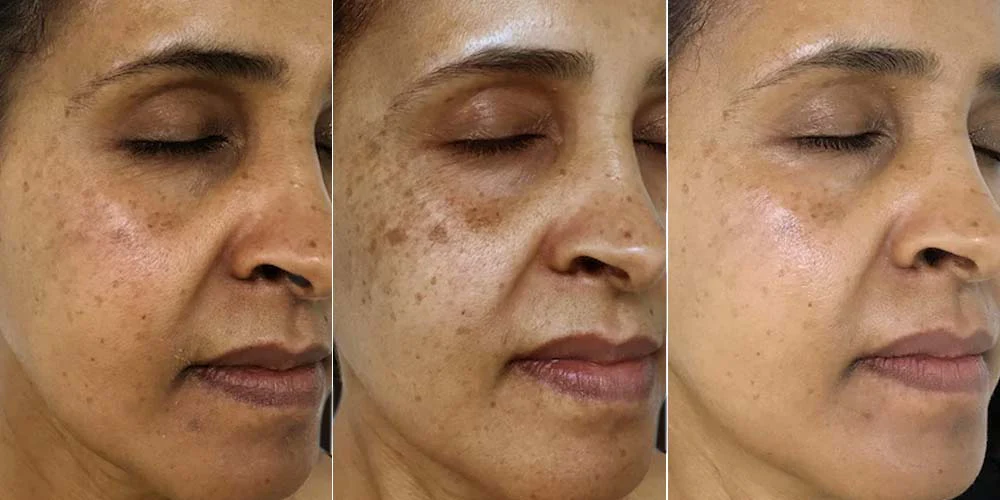
Hyperpigmentation, dark spots as well as melasma can be the most stubborn and toughest uninvited guests on the skin. Whether they’re the post-holiday skin tan from too much time spent in the sun, hormonal fluctuations that threw your skin health a hit or just a frustrating battle with acne, uneven skin tone remains a top problem consistently for millions around the world.
There are a multitude of brightening creams flooding the market, including various pigmentation cream formulations. Many of these demand stringent vigilance and caution. Their goal should be to adjust and rebalance melanin levels in a safe manner. This comprehensive guide explores the science behind the occurrence of hyperpigmentation on skin in everyday life, highlighting some of the dermatologically science-backed ingredients. It also outlines a safe and effective roadmap to restoring your radiant skin.
Understanding The Science Of Hyperpigmentation
Before buying any cream, you must understand what you are treating. Hyperpigmentation is an umbrella term utilized to refer to the skin darkening caused by an overproduction of melanin (the major pigment that is responsible for the skin color).
Sun Spots or Solar Lentigines
These appear as flat and brown spots on areas frequently exposed to UV rays. These include the face, hands and shoulders.
Post-Inflammatory Hyperpigmentation (PIH)
These marks surface after an injury or inflammation normally. These occur commonly due to acne lesions, eczema or aggressive skincare treatments.
Melasma
This is a complex and chronic condition characterized by symmetrical, muddy brown or grayish patches. They are usually found on the cheeks, forehead, upper lip as well as jawline. Melasma is typically deeply tied to internal triggers like hormonal swings (such as in pregnancy or birth control) and vascular changes. This makes it highly sensitive and harder to treat.
Some Of The Best Key Ingredients For A Pigmentation Cream
| Alpha Arbutin | A safe and plant-derived derivative of hydroquinone. It delivers brightening benefits to the skin by slowly releasing hydroquinone into the skin and minimizing risks of irritation. |
| Niacinamide | This versatile ingredient does not stop melanin production. It prevents the pigment from transferring into your visible skin cells. Niacinamide cream also totally strengthens the skin barrier and reduces redness by boosting the barrier repair. |
| Tranexamic Acid | It suppresses melanin production which helps in fading of dark spots, preventing uneven skin tone. |
| Salicylic Acid | Chemical exfoliants dissolve the bonds holding dead, pigmented cells together on the skin’s surface. This exceptionally enhances the penetration of your pimple cream. |
| Ascorbic Acid | A potent antioxidant that neutralizes free radicals caused by UV exposure. This inhibits tyrosinase and boosts collagen production for an overall glowing skin. |
Safe And Effective Roadmap To Restore Your Healthy Skin
-
Non-Negotiable Sun Protection
Sunlight stimulates the synthesis of melanin, thus stringent photo protection should be incorporated into any hyper pigmentation regimen, and should be used daily with SPF30 or above broad spectrum sunscreen. The best type of sun block you might require if dealing with melasma includes agents of mineral sunscreens which include Zinc Oxide, Titanium Oxide, etc. and if worried about the white cast then go with tinted ones with non- comedogenic formula.
-
Gradual Introduction Of Actives
Overloading the skin with multiple potent actives at once can induce skin purging. This can paradoxically worsen PIH. Introduce the active ingredients in an acne cream with a patch test before use gradually. If the skin tolerates it well, you can slowly increase the frequency of use as your skin adapts to the skincare regime with time.
-
Thoughtfully Combined Skincare Regimen
Combine the effective ingredients in such a manner that they tend to be gentle on the skin without causing any harm to the protective barrier.
It should ideally include the following:
- Tyrosinase inhibitors such as alpha arbutin, kojic acid, tranexamic acid, etc. They reduce the melanin synthesis by targeting the melanogenesis in a very effective and safe manner.
- Barrier supportive agents like niacinamide to protect the skin from dryness and boost the repair of damaged skin.
- Exfoliating agents like salicylic acid, glycolic acid, etc. to remove the existing pigmented cells.
-
Consistent Routine
Most topical treatments require consistency and patience before visible improvement and even after the pigmentation fades, a consistent skincare routine matters to prevent the recurrence of acne and post-acne dark spots. It helps to maintain a clean and refreshed skin too.
When To See A Dermatologist?
If the pigmentation is widespread, accompanied by redness and inflammation, then it’s a high time to consult your dermatologist. The skin care professional can properly diagnose your skin condition and provide personalized recommendations. They can guide you the way to a safer and effective skincare regimen with the best pigmentation cream for you to combat the uneven skin tone.
Conclusion
Pigmentation cream helps with dark spots and melasma, but the most effective treatment for hyperpigmentation requires a combination of specific ingredients, the use of sunscreen and patience.
Hyperpigmentation is associated with skin becoming darker. Sun spots, PIH and melasma are all forms of skin pigmentation but have varying causes and their solution requires an active treatment plan.
A good pigmentation cream should contain components like alpha arbutin, niacinamide, tranexamic acid, salicylic acid and ascorbic acid. For all types of pigmentation, daily use of a good sunscreen provides the building blocks of preventing pigmentation.
Introduce the potent ingredients usually found in dark spots removal cream to the skin slowly so they don’t irritate skin and inflame the PIH further. Refer a doctor for an examination of pigmentation if the problem is extensive or associated with any redness and inflammation.