
For generations, sexual health was often treated as a private, uncomfortable, or even taboo topic. Many individuals avoided seeking professional help for concerns related to libido, hormonal changes, sexual performance, reproductive health, or intimacy due to embarrassment, social stigma, or limited access to specialized care.
Today, that landscape is rapidly changing.
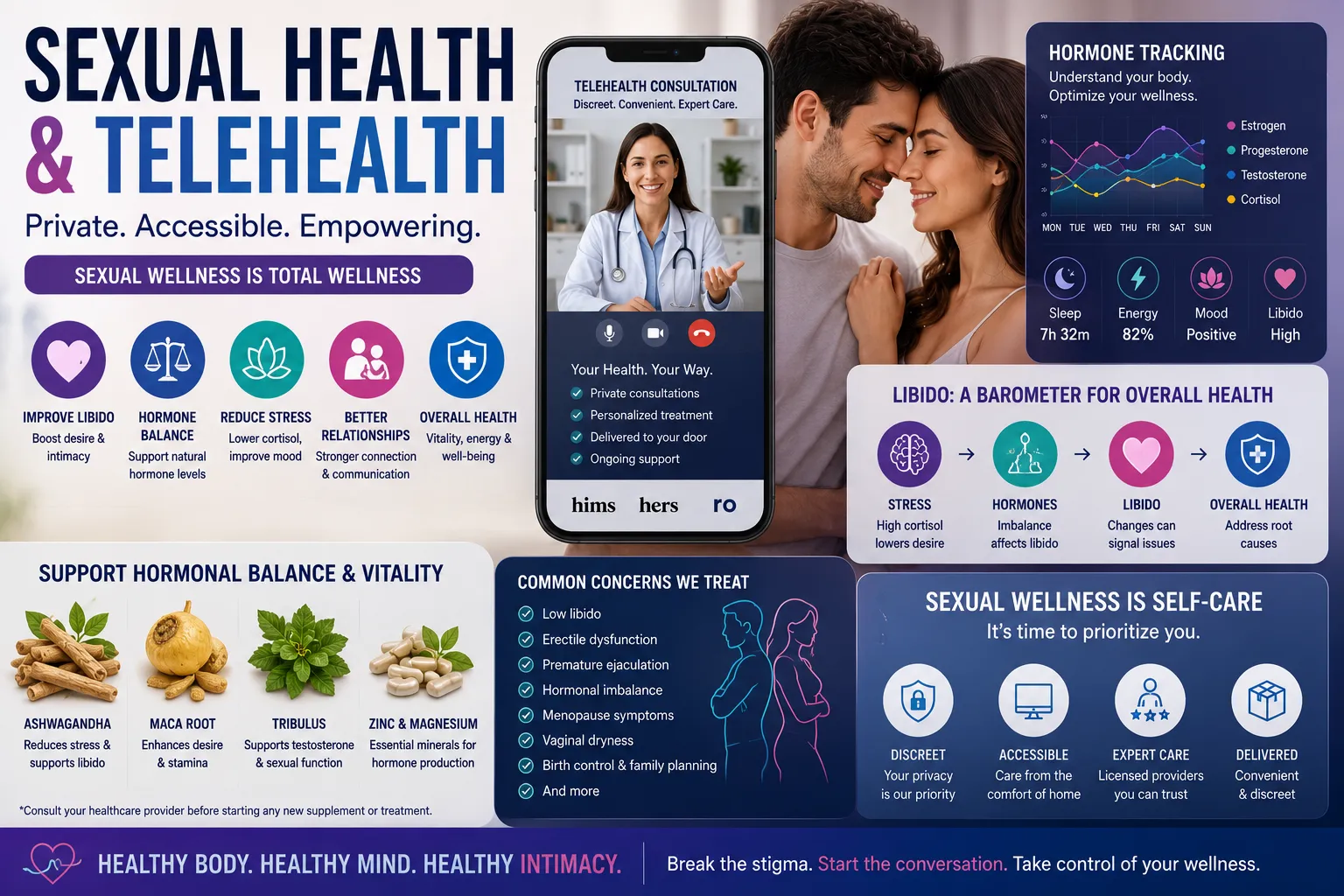
A new wave of telehealth platforms, personalized wellness solutions, and educational resources is transforming sexual health into a routine part of preventive healthcare. Consumers increasingly view sexual wellness not as a luxury or sensitive issue but as a key component of overall physical, mental, and emotional well-being.
From virtual consultations and hormone tracking to libido-focused supplements and personalized treatment plans, the sexual wellness industry is experiencing unprecedented growth. This shift is helping millions of people access care more conveniently, privately, and proactively than ever before.
What Is Sexual Wellness?
Sexual wellness extends beyond the absence of disease or dysfunction.
It encompasses multiple aspects of health, including:
- Sexual function
- Reproductive health
- Hormonal balance
- Emotional intimacy
- Relationship satisfaction
- Body confidence
- Mental well-being
A healthy sexual wellness profile often reflects broader aspects of physical and psychological health.
Experts increasingly recognize that sexual health is closely linked to:
- Stress levels
- Sleep quality
- Hormonal status
- Cardiovascular health
- Mental health
- Lifestyle habits
This holistic perspective is driving a major shift in how sexual wellness is discussed and treated.
Why Sexual Health Is No Longer a Taboo Topic
Several factors have contributed to the growing normalization of sexual wellness.
Increased Access to Information
Digital platforms have made educational resources more accessible than ever before.
People can now learn about:
- Hormonal health
- Sexual function
- Reproductive wellness
- Relationship health
- Intimacy concerns
without relying solely on traditional healthcare visits.
Growing Focus on Preventive Health
Consumers increasingly understand that sexual wellness can serve as an indicator of overall health.
Changes in libido, energy, or reproductive function may sometimes reflect broader health concerns that deserve attention.
Expansion of Telehealth Services
Virtual healthcare has dramatically improved accessibility and privacy for individuals seeking sexual health support.
This has been one of the most significant drivers behind the industry’s growth.
The Rise of Telehealth in Sexual Wellness
Telehealth has transformed how people access healthcare services.
Instead of scheduling in-person appointments and navigating potentially uncomfortable conversations face-to-face, individuals can now consult licensed healthcare providers remotely.
Several well-known telehealth platforms have helped normalize discussions around sexual wellness, including:
- Hims
- Hers
- Ro
These platforms provide access to care for concerns related to:
- Sexual health
- Hormonal wellness
- Hair health
- Mental health
- Weight management
- Preventive healthcare
The convenience and discretion offered by telehealth have significantly reduced barriers to treatment.
Benefits of Telehealth for Sexual Health
Greater Privacy
Many people feel more comfortable discussing sensitive concerns from their own homes.
Improved Accessibility
Individuals living in rural or underserved areas can access specialized care more easily.
Faster Consultations
Virtual appointments often reduce wait times compared to traditional healthcare settings.
Increased Treatment Adherence
Convenient follow-up care may encourage individuals to remain engaged with treatment plans.
These advantages have helped telehealth become a preferred option for many consumers.
Libido as a Health Indicator
One of the most significant shifts in modern wellness is the recognition that libido can serve as a valuable health signal.
While sexual desire naturally fluctuates throughout life, persistent changes may sometimes indicate underlying issues.
Factors that influence libido include:
- Chronic stress
- Poor sleep
- Hormonal imbalances
- Nutritional deficiencies
- Relationship challenges
- Mental health conditions
- Certain medications
Rather than viewing libido solely as a sexual concern, healthcare professionals increasingly consider it part of a broader health assessment.
The Connection Between Stress and Sexual Wellness
Modern lifestyles have created unprecedented levels of chronic stress.
Stress can affect sexual wellness in multiple ways:
- Reduced libido
- Hormonal disruption
- Sleep disturbances
- Increased anxiety
- Emotional exhaustion
Elevated cortisol levels may interfere with reproductive hormones and overall well-being.
This connection explains why many wellness experts encourage stress-management strategies as part of comprehensive sexual health support.
Common approaches include:
- Regular exercise
- Mindfulness practices
- Sleep optimization
- Counseling or therapy
- Balanced nutrition
Addressing stress often improves multiple areas of health simultaneously.
Hormone Tracking and Personalized Wellness
Hormonal health has become one of the fastest-growing segments of the wellness industry.
Consumers increasingly use technology and testing tools to better understand fluctuations in:
- Estrogen
- Progesterone
- Testosterone
- Cortisol
- Thyroid hormones
Hormone tracking can help individuals identify patterns that affect:
- Mood
- Energy levels
- Sleep quality
- Exercise performance
- Sexual wellness
Rather than taking a one-size-fits-all approach, personalized hormone insights allow individuals to make more informed health decisions.
Hormonal Balance and Overall Health
Hormones influence nearly every system in the body.
When hormone levels become disrupted, symptoms may include:
- Fatigue
- Weight changes
- Mood fluctuations
- Reduced libido
- Poor sleep
- Brain fog
Supporting hormonal balance often involves addressing lifestyle factors such as:
- Nutrition
- Exercise
- Stress management
- Sleep quality
Healthcare professionals increasingly view hormone optimization as part of preventive wellness rather than reactive treatment.
Supplements for Hormonal Support and Intimacy
As awareness grows, consumers are seeking supplements designed to support sexual wellness and hormonal health.
Popular categories include:
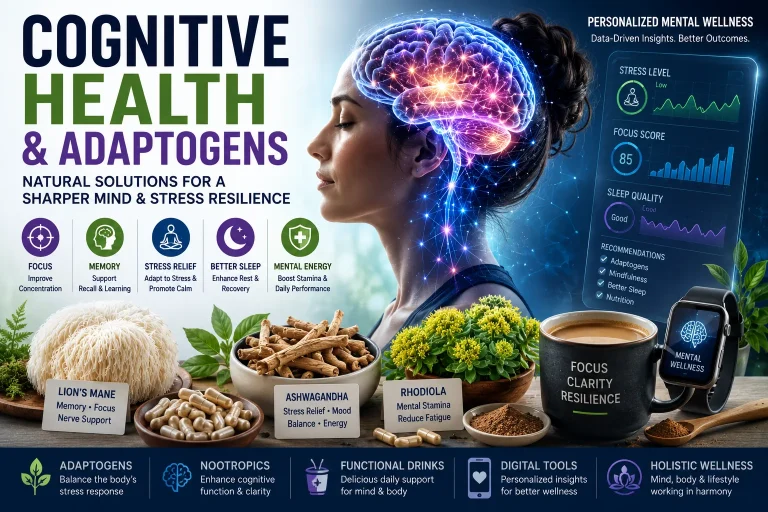
Adaptogenic Herbs
Certain adaptogens may support stress resilience and hormonal balance.
Examples include:
- Ashwagandha
- Rhodiola
- Maca root
Nutritional Support Supplements
Nutrients commonly associated with hormonal health include:
- Vitamin D
- Magnesium
- Zinc
- Omega-3 fatty acids
Botanical Wellness Products
Many products incorporate traditional herbal ingredients used to support overall vitality and well-being.
While supplements may support wellness goals, individuals should consult healthcare professionals before beginning new regimens.
Intimacy as Part of Whole-Person Wellness
The conversation around sexual health has expanded beyond medical concerns.
Experts increasingly recognize the importance of:
- Emotional connection
- Relationship quality
- Communication
- Self-confidence
- Psychological well-being
Healthy intimacy can contribute to:
- Reduced stress
- Improved mood
- Better relationship satisfaction
- Enhanced quality of life
This broader perspective reflects a more comprehensive understanding of human wellness.
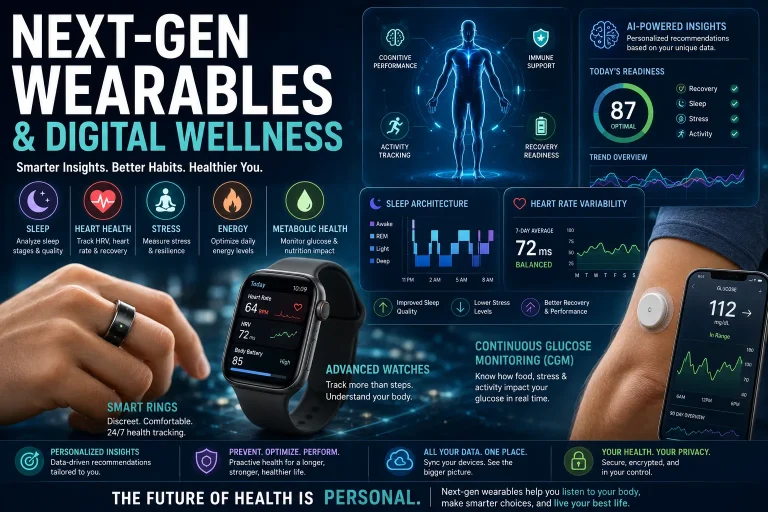
Technology’s Role in Personalized Sexual Health
Digital wellness tools continue to reshape sexual healthcare.
Emerging technologies include:
- Hormone tracking apps
- Telehealth consultations
- Wearable health devices
- Personalized wellness platforms
- AI-powered health coaching
These innovations allow consumers to monitor health trends and receive individualized recommendations.
As technology advances, sexual wellness is becoming increasingly integrated into broader health optimization strategies.
Challenges and Considerations
Despite growing acceptance, some challenges remain.
Misinformation
The rapid growth of wellness content online can sometimes lead to confusion or unsupported claims.
Privacy Concerns
Consumers should ensure that digital health platforms follow appropriate data security standards.
Personalized Care
Not all sexual health concerns can be addressed through self-guided solutions.
Professional medical evaluation remains important for persistent symptoms or underlying health conditions.
Balancing convenience with evidence-based healthcare remains essential.
The Future of Sexual Wellness
The sexual wellness industry is expected to continue expanding in the coming years.
Emerging trends include:
- Personalized hormone optimization
- Advanced telehealth services
- Preventive sexual healthcare
- Digital wellness coaching
- AI-powered health assessments
- Greater integration between sexual and overall health management
As stigma continues to decline, more individuals are likely to seek proactive support for sexual wellness and hormonal health.
Final Thoughts
Sexual wellness is no longer viewed as a taboo subject reserved for medical emergencies or private conversations. Instead, it is increasingly recognized as an essential component of overall health and quality of life.
The rise of telehealth, hormone tracking, personalized wellness programs, and educational resources has made sexual healthcare more accessible and approachable than ever before.
By viewing sexual health through the lens of preventive wellness, individuals can better understand the connections between hormones, stress, sleep, mental health, and overall well-being. This shift represents one of the most important developments in modern healthcare and self-care.
Frequently Asked Questions
What is sexual wellness?
Sexual wellness refers to the physical, emotional, hormonal, and relational aspects of sexual health and well-being.
How has telehealth changed sexual healthcare?
Telehealth provides private, convenient access to healthcare professionals, making sexual wellness support more accessible and reducing barriers to treatment.
Can stress affect libido?
Yes. Chronic stress can influence hormone levels, energy, mood, sleep quality, and sexual desire.
Why is hormone tracking becoming popular?
Hormone tracking helps individuals understand patterns affecting energy, mood, sleep, reproductive health, and sexual wellness.
Are supplements helpful for hormonal balance?
Some supplements may support overall wellness and hormonal health, but individuals should consult healthcare professionals before starting any new supplement regimen.