
For decades, the conversation around aging focused on one simple goal: living longer. Advances in medicine, sanitation, and healthcare have significantly increased average life expectancy worldwide. However, a growing number of researchers and health experts now argue that longevity alone is not enough.
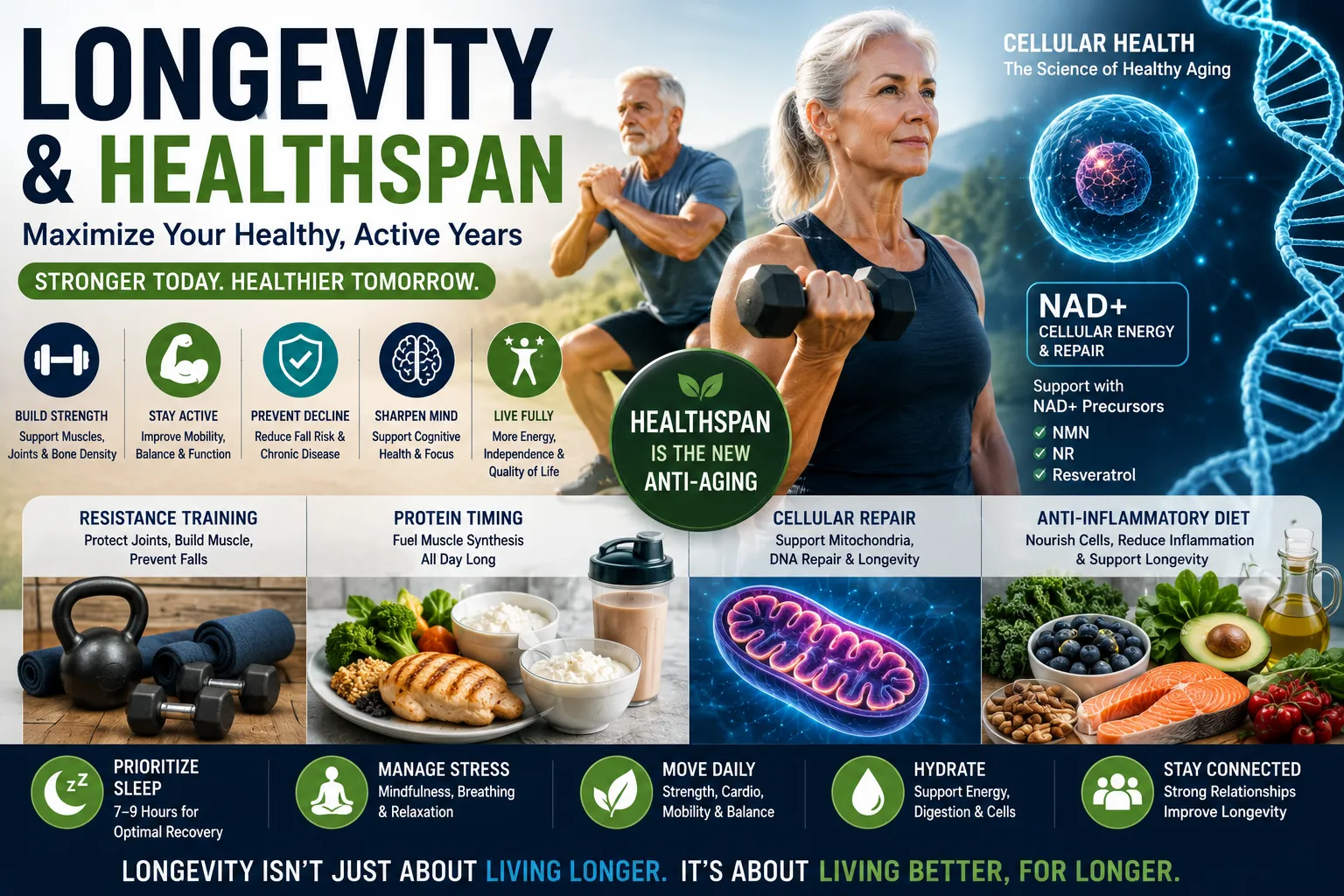
The real goal is healthspan—the number of years a person remains healthy, active, independent, and free from serious chronic disease.
Rather than merely extending lifespan, modern wellness strategies aim to maximize physical function, cognitive performance, mobility, and overall quality of life throughout the aging process. This shift represents a move away from cosmetic anti-aging solutions and toward evidence-based approaches that support cellular health, muscle preservation, metabolic function, and long-term resilience.
As a result, topics such as resistance training, protein optimization, anti-inflammatory nutrition, and cellular repair supplements have become central pillars of the longevity movement.
What Is Healthspan?
Healthspan refers to the period of life spent in good health without significant disability or chronic disease.
While lifespan measures total years lived, healthspan focuses on the quality of those years.
For example:
- Lifespan = Living to age 90
- Healthspan = Remaining physically and mentally capable through age 90
The difference is significant.
Many individuals spend the final years or decades of life managing chronic conditions that reduce independence and overall well-being. The goal of healthspan optimization is to compress illness into as short a period as possible while maximizing healthy years.
Why Healthspan Is Becoming a Major Health Trend
Several factors are driving increased interest in healthy aging:
- Rising life expectancy
- Growing rates of chronic disease
- Aging populations worldwide
- Increased healthcare costs
- Greater awareness of preventive medicine
Consumers are becoming more proactive about protecting their long-term health rather than waiting for problems to appear.
This shift has fueled demand for:
- Strength training programs
- Functional fitness
- Longevity-focused nutrition
- Recovery optimization
- Cellular health supplements
- Personalized wellness plans
The modern longevity movement is no longer about looking younger—it is about functioning better for longer.
Muscle Mass: The Foundation of Healthy Aging
One of the most important predictors of long-term health is muscle mass.
Beginning around age 30, adults naturally lose muscle tissue in a process known as sarcopenia.
Without intervention, this loss can contribute to:
- Reduced strength
- Poor balance
- Increased fall risk
- Decreased mobility
- Loss of independence
- Higher mortality risk
Researchers increasingly view muscle as a critical organ of longevity because it supports metabolism, blood sugar regulation, mobility, and overall resilience.
Maintaining muscle mass is now considered one of the most effective strategies for extending healthspan.
Resistance Training for Joint Longevity and Fall Prevention
Among all exercise interventions, resistance training consistently ranks as one of the most powerful tools for healthy aging.
Benefits include:
- Increased muscle mass
- Improved bone density
- Better joint stability
- Enhanced balance
- Reduced injury risk
- Improved mobility
Strength training helps protect against one of the greatest threats to aging adults: falls.
Falls remain a leading cause of injury-related disability among older adults, often resulting in fractures, hospitalization, and long-term mobility challenges.
A well-designed resistance training program can significantly improve stability and reduce these risks.
Effective Strength Training Activities
Examples include:
- Weightlifting
- Resistance bands
- Bodyweight exercises
- Functional movement training
- Machine-based resistance training
Even two to three sessions per week can provide meaningful long-term benefits.
Protein Timing and Muscle Preservation
Protein plays a central role in maintaining muscle mass throughout life.
As people age, the body’s ability to build and repair muscle becomes less efficient, making adequate protein intake increasingly important.
Protein supports:
- Muscle repair
- Strength maintenance
- Recovery
- Immune function
- Metabolic health
What Is Protein Timing?
Protein timing refers to strategically distributing protein intake throughout the day.
Rather than consuming most protein at dinner, experts increasingly recommend spreading intake across multiple meals.
A balanced approach may include protein-rich foods during:
- Breakfast
- Lunch
- Dinner
- Post-workout recovery
This strategy helps maximize muscle protein synthesis and supports healthy aging.
High-Quality Protein Sources
Examples include:
- Eggs
- Fish
- Lean poultry
- Greek yogurt
- Cottage cheese
- Legumes
- Tofu
- Whey protein
Maintaining sufficient protein intake becomes increasingly important with age.
Cellular Aging and Longevity Science
Much of today’s longevity research focuses on cellular health.
Scientists believe aging is influenced by gradual changes occurring within cells over time, including:
- DNA damage
- Mitochondrial dysfunction
- Oxidative stress
- Chronic inflammation
- Reduced cellular repair capacity
Researchers are exploring ways to support these biological systems and potentially slow age-related decline.
This emerging field has generated significant interest in cellular repair compounds and longevity-focused supplementation.
Understanding NAD+ and Cellular Energy
One of the most discussed topics in longevity science is NAD+ (Nicotinamide Adenine Dinucleotide).
NAD+ is a molecule involved in:
- Cellular energy production
- DNA repair
- Metabolic regulation
- Mitochondrial function
NAD+ levels naturally decline with age, leading researchers to investigate whether supporting NAD+ production may contribute to healthier aging.
NAD+ Precursors
Popular supplements include:
- Nicotinamide Riboside (NR)
- Nicotinamide Mononucleotide (NMN)
These compounds are often marketed as cellular health or longevity supplements.
While research remains ongoing, NAD+ support has become one of the fastest-growing areas within the longevity industry.
The Role of Chronic Inflammation in Aging
Many scientists now describe aging as an inflammatory process.
Low-grade chronic inflammation can contribute to:
- Heart disease
- Diabetes
- Cognitive decline
- Joint discomfort
- Metabolic dysfunction
This phenomenon is sometimes referred to as “inflammaging.”
Reducing chronic inflammation has become a major objective of healthspan-focused lifestyles.
Anti-Inflammatory Diets for Healthy Aging
Nutrition plays a critical role in managing inflammation and supporting longevity.
Anti-inflammatory dietary patterns emphasize:
Vegetables and Fruits
Rich in antioxidants, vitamins, and phytonutrients.
Healthy Fats
Sources include:
- Olive oil
- Avocados
- Nuts
- Seeds
Fatty Fish
Fish such as salmon and sardines provide omega-3 fatty acids that support cardiovascular and brain health.
Whole Foods
Minimally processed foods generally support better metabolic health and lower inflammation levels.
Limiting Ultra-Processed Foods
Reducing excessive consumption of:
- Sugary beverages
- Refined carbohydrates
- Highly processed snacks
may help support long-term health.
Many principles of the Mediterranean diet align closely with longevity-focused nutrition.
Recovery and Sleep: The Overlooked Longevity Factors
Exercise and nutrition often receive the most attention, but recovery is equally important.
Quality sleep supports:
- Cellular repair
- Hormonal balance
- Memory consolidation
- Immune function
- Stress regulation
Adults should prioritize consistent, restorative sleep as part of any healthspan strategy.
Poor sleep has been associated with accelerated aging and increased chronic disease risk.
The Connection Between Longevity and Cognitive Health
Maintaining brain function is a critical aspect of healthspan.
Strategies that support cognitive longevity include:
- Physical exercise
- Social engagement
- Lifelong learning
- Stress management
- Adequate sleep
- Nutrient-dense diets
Researchers increasingly recognize that physical and cognitive health are deeply interconnected throughout the aging process.
The Future of Longevity Science
The longevity industry continues to evolve rapidly.
Emerging areas of research include:
- Precision nutrition
- Biological age testing
- Personalized supplementation
- Advanced recovery technologies
- Cellular rejuvenation therapies
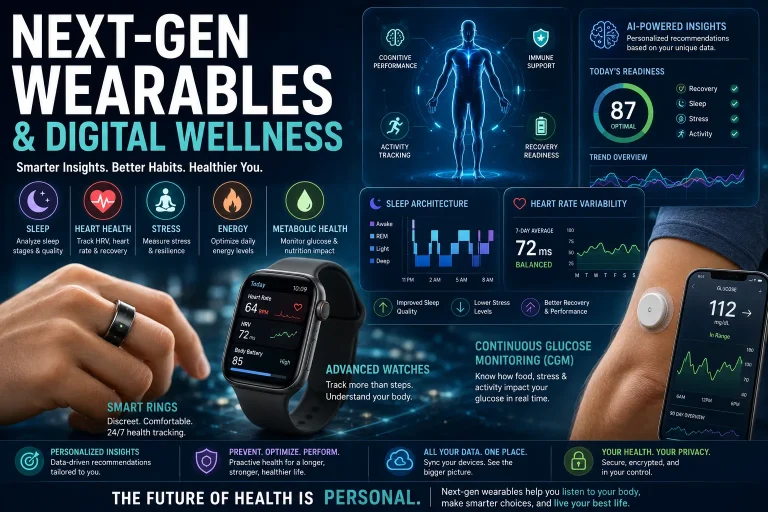
- AI-driven health monitoring
Rather than focusing solely on extending lifespan, future innovations are expected to emphasize maintaining function, independence, and vitality throughout life.
Final Thoughts
The longevity movement is undergoing a major transformation. Instead of simply pursuing a longer life, the focus is shifting toward maximizing healthspan—the number of years spent healthy, active, and capable.
Resistance training, adequate protein intake, anti-inflammatory nutrition, quality sleep, and cellular health optimization are emerging as some of the most effective tools for healthy aging.
While no single intervention can stop aging, consistent lifestyle habits can significantly influence how well individuals age over time. The goal is not merely to add years to life but to add life to those years.
Frequently Asked Questions
What is the difference between lifespan and healthspan?
Lifespan refers to total years lived, while healthspan refers to the years spent healthy, active, and free from major chronic disease.
Why is resistance training important for longevity?
Resistance training helps maintain muscle mass, bone density, balance, and mobility while reducing fall risk as people age.
What are NAD+ precursors?
NAD+ precursors such as NMN and nicotinamide riboside are compounds that help support the body’s production of NAD+, a molecule involved in cellular energy and repair.
What foods support healthy aging?
Anti-inflammatory foods such as vegetables, fruits, fatty fish, olive oil, nuts, and whole grains are commonly associated with healthy aging.
Can lifestyle choices influence healthspan?
Yes. Exercise, nutrition, sleep, stress management, and social engagement all play major roles in supporting long-term health and quality of life.