
For decades, digestive health was viewed primarily through the lens of stomach aches, bloating, and bowel regularity. Today, scientific research paints a much bigger picture. The human gut is now recognized as one of the most influential systems in the body, affecting everything from immune function and metabolism to mood, memory, and mental health.
At the center of this growing field is the microbiome—a vast ecosystem of trillions of microorganisms living primarily in the digestive tract. Researchers increasingly describe the gut as a “second brain” because of its direct connection to the nervous system and its profound influence on overall well-being.
As awareness grows, trends like “fibermaxxing,” microbiome testing, and next-generation biotics are transforming how people approach nutrition and preventive healthcare. Understanding gut health is no longer just about digestion—it’s about optimizing the entire body.
What Is the Gut Microbiome?
The gut microbiome refers to the collection of bacteria, fungi, viruses, and other microorganisms that live within the gastrointestinal tract.
These microorganisms perform critical functions, including:
- Digesting certain foods
- Producing vitamins
- Supporting immune defenses
- Regulating inflammation
- Influencing metabolism
- Communicating with the brain
Scientists estimate that the human gut contains trillions of microbes representing thousands of different species. A healthy microbiome is characterized by diversity, balance, and resilience.
When this balance is disrupted—a condition known as dysbiosis—it may contribute to a wide range of health issues, including digestive disorders, obesity, autoimmune diseases, and mental health conditions.
Why Gut Health Is the Foundation of the Immune System
One of the most important discoveries in modern medicine is the close relationship between the gut and the immune system.
Approximately 70% of immune cells reside within or around the gastrointestinal tract. The gut serves as a major barrier between the body and the outside environment, constantly interacting with food, microbes, and potential pathogens.
A healthy microbiome helps:
- Strengthen intestinal barriers
- Regulate immune responses
- Prevent harmful bacteria from multiplying
- Reduce chronic inflammation
- Support infection resistance
When gut health deteriorates, immune function can become impaired or overactive, potentially contributing to allergies, autoimmune disorders, and inflammatory diseases.
Understanding the Gut-Brain Axis
Perhaps the most fascinating aspect of gut health is its connection to the brain.
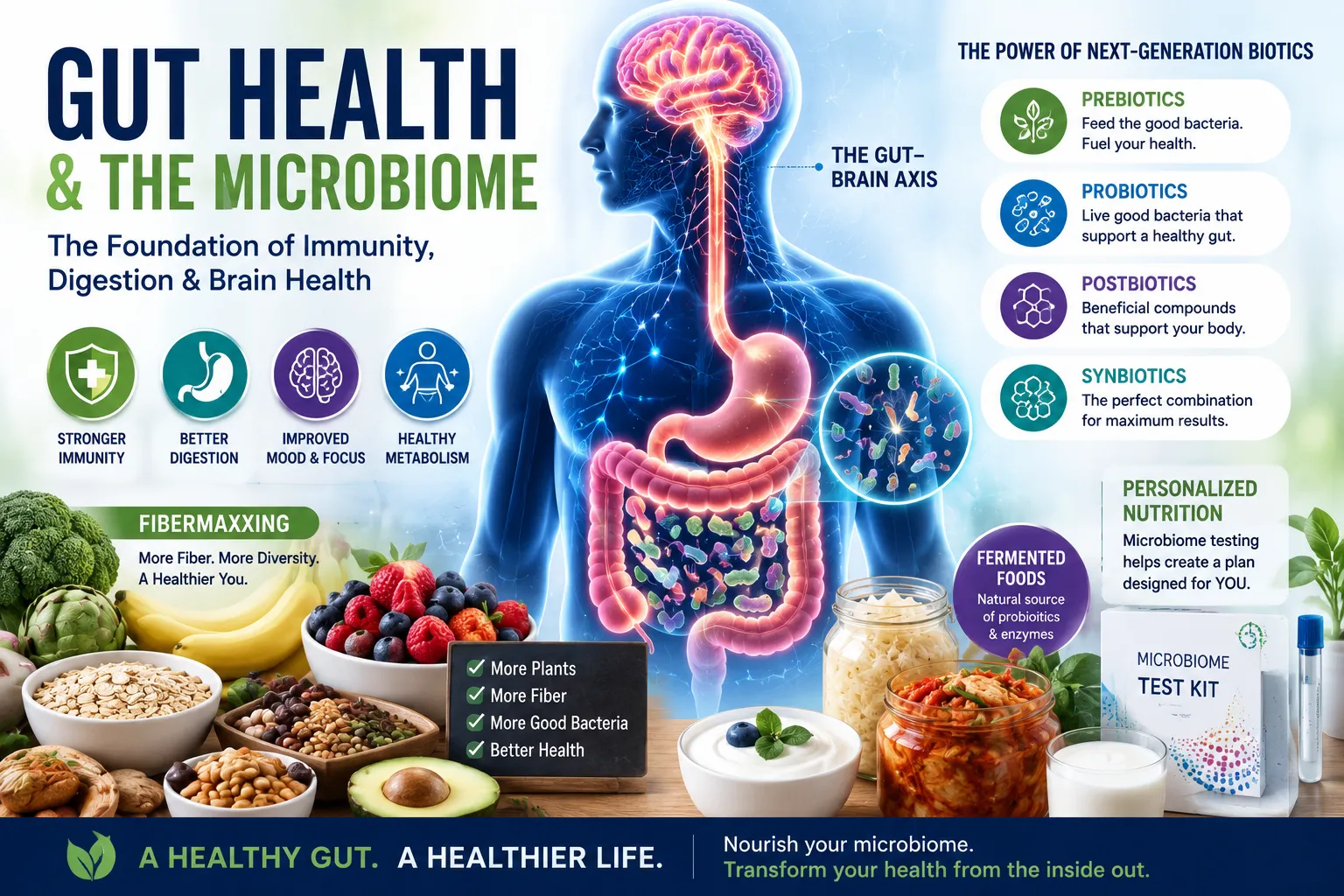
The gut-brain axis is a two-way communication network linking the digestive system and the central nervous system.
This connection occurs through:
- The vagus nerve
- Hormonal signaling
- Immune pathways
- Neurotransmitter production
In fact, many neurotransmitters commonly associated with mood and cognition are heavily influenced by the gut microbiome.
Research suggests that gut bacteria may affect:
- Stress levels
- Anxiety
- Depression
- Sleep quality
- Cognitive performance
- Emotional regulation
This growing field of study has led scientists to explore how improving gut health may positively impact mental wellness.
The Rise of Next-Generation Biotics
As microbiome science advances, the supplement industry has evolved beyond traditional probiotics.
Today, healthcare professionals increasingly discuss four major categories of biotics.
1. Probiotics
Probiotics are live beneficial microorganisms that support microbial balance within the gut.
Common probiotic strains include:
- Lactobacillus
- Bifidobacterium
- Saccharomyces boulardii
Potential benefits may include:
- Improved digestion
- Reduced antibiotic-associated diarrhea
- Enhanced immune support
- Better gut barrier function
2. Prebiotics
Prebiotics are specialized fibers that feed beneficial gut bacteria.
Popular prebiotic sources include:
- Garlic
- Onions
- Bananas
- Chicory root
- Asparagus
- Oats
Prebiotics help beneficial bacteria thrive, promoting microbial diversity and metabolic health.
3. Postbiotics
Postbiotics represent one of the newest developments in microbiome science.
They are beneficial compounds produced when healthy bacteria digest fiber and other nutrients.
Examples include:
- Short-chain fatty acids
- Peptides
- Enzymes
- Metabolites
These substances may provide many of the health benefits associated with probiotics without requiring live microorganisms.
4. Synbiotics
Synbiotics combine probiotics and prebiotics into a single formulation.
The goal is simple:
Provide beneficial bacteria while simultaneously supplying the nutrients they need to survive and flourish.
Many experts believe synbiotics represent the next phase of microbiome-targeted nutrition.
The Fibermaxxing Trend Explained
One of the fastest-growing health trends on social media is “fibermaxxing.”
Fibermaxxing refers to intentionally increasing dietary fiber intake to optimize gut health, digestion, and metabolic function.
The trend has gained popularity because many people consume significantly less fiber than recommended.
High-fiber foods include:
- Fruits
- Vegetables
- Legumes
- Whole grains
- Nuts
- Seeds
Fiber provides numerous benefits:
- Supports healthy digestion
- Promotes satiety
- Feeds beneficial gut bacteria
- Helps regulate blood sugar
- Supports cholesterol management
When gut bacteria ferment fiber, they produce short-chain fatty acids that contribute to immune and metabolic health.
How the Microbiome Affects Weight Management
Emerging research suggests that gut bacteria may influence body weight and metabolism.
The microbiome can affect:
- Appetite regulation
- Energy extraction from food
- Fat storage
- Blood sugar control
- Inflammation levels
Scientists have identified differences in gut microbial composition between lean and obese individuals, although the relationship remains complex.
This connection has fueled growing interest in microbiome-focused weight management strategies.
Personalized Nutrition and Microbiome Testing
The concept of personalized nutrition is rapidly gaining traction.
Rather than following generic dietary advice, personalized nutrition uses individual biological data to create customized eating plans.
Microbiome testing companies analyze gut bacteria through stool samples and generate reports that may include:
- Microbial diversity scores
- Beneficial bacteria levels
- Dietary recommendations
- Potential digestive concerns
Supporters believe these insights can help individuals optimize:
- Digestive health
- Energy levels
- Metabolic function
- Dietary choices
However, experts caution that microbiome science is still evolving, and testing results should be interpreted carefully alongside professional guidance.
Signs Your Gut Health May Need Attention
Poor gut health can manifest in various ways.
Common signs include:
- Frequent bloating
- Constipation
- Diarrhea
- Food sensitivities
- Fatigue
- Brain fog
- Sleep disturbances
- Frequent illness
- Unexplained weight changes
While these symptoms do not necessarily indicate microbiome issues, they may warrant closer attention to digestive health.
How to Improve Gut Health Naturally
Building a healthier microbiome does not necessarily require expensive supplements.
Many evidence-based strategies focus on lifestyle and nutrition.
Eat More Diverse Plant Foods
Different microbes thrive on different nutrients.
Aim to regularly consume:
- Vegetables
- Fruits
- Legumes
- Whole grains
- Nuts
- Seeds
Increase Fiber Intake Gradually
Sudden increases in fiber may cause discomfort.
Slowly increasing fiber intake allows the digestive system to adapt.
Include Fermented Foods
Fermented foods naturally contain beneficial microorganisms.
Examples include:
- Yogurt
- Kefir
- Sauerkraut
- Kimchi
- Miso
Limit Ultra-Processed Foods
Highly processed foods may negatively impact microbial diversity and overall gut health.
Prioritize Sleep and Stress Management
The gut-brain axis works in both directions.
Poor sleep and chronic stress can significantly affect digestive function and microbiome balance.
The Future of Microbiome Science
Researchers are only beginning to understand the full power of the microbiome.
Future developments may include:
- Precision probiotics
- Personalized microbiome therapies
- AI-driven nutrition plans
- Targeted postbiotic treatments
- Microbiome-based disease prevention
As technology and research continue advancing, gut health may become one of the most important pillars of personalized medicine.
Final Thoughts
Gut health has evolved from a niche wellness topic into a central focus of modern healthcare. The microbiome influences digestion, immunity, metabolism, and even mental well-being through the powerful gut-brain axis.
At the same time, innovations such as probiotics, prebiotics, postbiotics, synbiotics, microbiome testing, and fiber-focused nutrition are making digestive wellness more accessible than ever.
While scientists continue to uncover new insights, one principle remains clear: supporting a diverse and healthy gut microbiome is one of the most effective investments you can make in your long-term health.
Frequently Asked Questions
What is the gut microbiome?
The gut microbiome is a community of trillions of microorganisms living in the digestive tract that influence digestion, immunity, metabolism, and overall health.
What is the gut-brain axis?
The gut-brain axis is a communication network connecting the digestive system and the brain through nerves, hormones, and immune signals.
What is fibermaxxing?
Fibermaxxing is a nutrition trend focused on increasing dietary fiber intake to improve digestion, gut health, satiety, and metabolic function.
What are postbiotics?
Postbiotics are beneficial compounds produced by healthy gut bacteria during digestion and fermentation processes.
Is microbiome testing worth it?
Microbiome testing can provide insights into gut bacterial composition, but experts recommend interpreting results cautiously as the science continues to evolve.